16/05/2026


Blogs
How Weather Conditions Affect Solar Panel Efficiency
How Weather Conditions Affect Solar Panel Efficiency
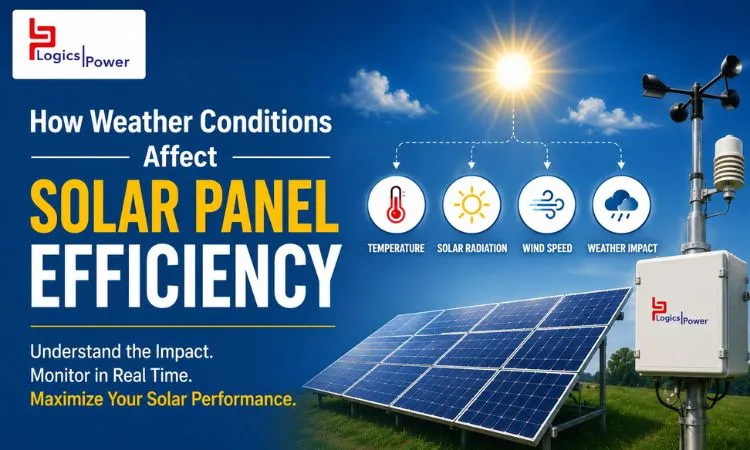
Solar energy systems are designed to generate electricity continuously, but their actual performance depends heavily on environmental conditions. Even when a solar plant is installed correctly, changing weather conditions can directly affect how much power the system generates every day.
Factors like high temperature, low solar irradiance, dust, humidity, cloud movement, and wind conditions all influence solar panel efficiency. In large commercial and utility-scale projects, even a small drop in efficiency can result in noticeable energy loss over time.
This is why modern solar plants rely not only on solar panels and inverters, but also on intelligent monitoring systems that help businesses understand how environmental conditions are affecting plant performance.
In this blog, we will understand how different weather conditions impact solar panel efficiency and why environmental monitoring has become important for modern solar power systems.
Why Weather Conditions Matter in Solar Energy Generation
Solar panels convert sunlight into electricity, but they perform best only under ideal environmental conditions. In real-world situations, weather continuously changes throughout the day, which directly impacts energy generation.
For example:
-
Excessive heat can reduce panel efficiency
-
Low sunlight intensity can lower power generation
-
Dust and humidity can affect solar irradiance
-
Wind conditions can influence panel cooling
-
Cloud movement can cause generation fluctuations
This is one of the biggest reasons why solar plant operators need accurate performance monitoring instead of relying only on basic energy readings.
Modern solar PV monitoring systems help businesses track these environmental changes in real time and analyze how they affect overall plant performance.
How High Temperature Reduces Solar Panel Efficiency
Many people assume that hotter weather improves solar panel performance because solar panels require sunlight to generate electricity. However, extremely high temperatures can actually reduce solar panel efficiency.
As the temperature of photovoltaic cells increases, electrical resistance inside the panels also rises. This makes energy conversion less efficient and reduces overall power output.
In industrial and utility-scale projects, temperature-related efficiency losses can significantly impact daily generation.
Common effects of high temperature on solar panels include:
-
Reduced energy conversion efficiency
-
Lower voltage output
-
Increased thermal stress
-
Faster component degradation
-
Higher long-term maintenance risk
This is why temperature monitoring becomes important for accurate solar plant performance analysis.
Why Ambient Temperature Monitoring Is Important
Ambient temperature helps operators understand external environmental conditions around the solar plant. Accurate temperature tracking improves generation analysis and helps identify whether weather conditions are affecting performance.
An ambient temperature sensor helps monitor surrounding environmental temperature in real time, allowing solar monitoring systems to provide more accurate operational insights.
How Solar Radiation Affects Energy Generation
Solar radiation, also known as solar irradiance, is one of the most critical factors affecting solar energy generation. The amount of sunlight reaching the solar panels directly determines how much electricity the system can produce.
Weather conditions such as:
-
cloud cover
-
fog
-
pollution
-
seasonal changes
-
dust accumulation
can reduce solar irradiance and impact plant performance.
When solar radiation decreases, overall energy generation also drops. This is why monitoring sunlight intensity is essential for accurate performance analysis.
Solar plant operators often compare expected generation with actual plant output to identify hidden efficiency losses.
Role of Solar Radiation Monitoring in Solar Plants
Radiation monitoring helps businesses understand whether low power generation is caused by weather conditions or by technical faults within the solar system.
A solar radiation sensor measures the intensity of sunlight reaching the solar panels and helps improve generation benchmarking, performance analytics, and fault detection.
Why Module Temperature Monitoring Matters
While ambient temperature measures surrounding environmental conditions, module temperature measures the actual surface temperature of solar panels during operation.
Solar panels continuously absorb sunlight, causing module temperatures to rise significantly during peak daytime hours. Higher module temperatures can reduce photovoltaic efficiency and negatively affect long-term system performance.
Excessive module heat may lead to:
-
hotspot formation
-
thermal stress
-
reduced efficiency
-
lower power generation
-
faster panel degradation
For large solar plants, monitoring module temperature becomes essential for maintaining consistent operational efficiency.
Importance of Module Temperature Sensors
A module temperature sensor helps track real-time panel surface temperatures and provides valuable insights into overheating conditions.
This data helps solar operators identify abnormal thermal behavior and improve overall solar plant performance monitoring.
How Wind Speed Influences Solar Panel Performance
Wind speed also plays an important role in solar panel efficiency. Proper airflow around solar panels helps cool the panel surface naturally, which can improve operational performance.
When panels operate at lower temperatures, they can maintain better energy conversion efficiency. Wind conditions also help reduce excessive heat buildup during peak sunlight hours.
In large solar projects, wind monitoring is also useful for:
-
environmental analysis
-
weather forecasting
-
operational planning
-
structural safety assessment
Why Wind Speed Monitoring Is Important
Monitoring wind conditions helps businesses better understand environmental behavior around the solar plant.
A wind speed sensor provides real-time wind data that can be integrated into intelligent solar monitoring systems for better performance analysis.
How Intelligent Solar Monitoring Systems Improve Performance Analysis
Modern solar plants require much more than basic energy tracking. Today’s intelligent monitoring systems combine environmental data, plant performance analytics, and real-time operational insights to help businesses improve efficiency.
Advanced monitoring platforms collect data from:
-
temperature sensors
-
solar radiation sensors
-
wind monitoring systems
-
inverters
-
energy meters
and combine everything into a centralized monitoring dashboard.
This allows businesses to:
-
monitor performance remotely
-
compare expected vs actual generation
-
detect operational issues faster
-
identify environmental efficiency losses
-
improve predictive maintenance
An advanced solar monitoring system helps businesses analyze environmental conditions alongside energy generation data for more accurate solar plant performance monitoring.
Modern cloud-based monitoring platforms also provide:
-
real-time analytics
-
remote accessibility
-
automated alerts
-
centralized monitoring
-
multi-plant management
which are essential for large commercial and industrial solar projects.
Benefits of Environmental Monitoring in Solar Plants
Environmental monitoring helps businesses improve operational visibility and understand the actual reasons behind efficiency fluctuations.
Key benefits include:
-
Better solar performance analysis
-
Faster identification of generation losses
-
Improved predictive maintenance
-
Reduced operational downtime
-
More accurate energy forecasting
-
Better efficiency benchmarking
-
Improved long-term plant reliability
-
Better operational decision-making
For businesses managing large solar plants, intelligent monitoring systems help improve both operational efficiency and long-term plant performance.
Industries That Benefit from Solar Environmental Monitoring
Environmental monitoring solutions are widely used across multiple solar industry segments, including:
-
Utility-scale solar plants
-
Commercial rooftop solar projects
-
Industrial solar installations
-
Solar EPC companies
-
Renewable energy developers
-
Solar O&M service providers
-
Government solar projects
As modern solar infrastructure becomes more advanced, environmental monitoring and solar performance analytics are becoming critical for efficient plant management.
How PowerAMR Helps Businesses Improve Solar Plant Performance
At PowerAMR, we help businesses monitor and optimize solar plant performance through intelligent environmental monitoring and real-time analytics solutions. Modern solar plants require much more than basic generation tracking, which is why our solutions are designed to provide complete visibility into how weather conditions affect solar efficiency.
Our monitoring systems integrate environmental sensors such as:
- Ambient temperature sensors
- Solar radiation sensors
- Module temperature sensors
- Wind speed sensors
along with inverters, meters, and performance analytics into a centralized platform.
This helps businesses:
- monitor real-time environmental conditions
- analyze performance fluctuations
- identify efficiency losses faster
- improve predictive maintenance
- reduce operational downtime
- optimize overall solar generation
We provide intelligent solar monitoring solutions for industrial, commercial, and utility-scale solar projects with cloud-based dashboards, remote monitoring access, automated alerts, and advanced performance analytics.
Our goal is to help solar businesses make better operational decisions using accurate environmental and performance data.
Why Businesses Choose PowerAMR for Solar Monitoring Solutions
We understand that every solar plant operates under different environmental and operational conditions. That is why our solutions are designed to provide scalable and flexible monitoring systems that support both small rooftop installations and large utility-scale solar projects.
At PowerAMR, we combine:
- IoT-based solar monitoring systems
- real-time environmental analytics
- cloud-based remote monitoring
- inverter monitoring
- weather monitoring sensors
- solar plant performance analytics
into one intelligent monitoring ecosystem.
Our solutions help solar businesses:
- improve operational visibility
- reduce generation losses
- monitor multiple plants remotely
- improve maintenance planning
- increase solar plant efficiency
- access real-time performance insights from anywhere
As a trusted provider of the best solar monitoring system, we help businesses monitor environmental conditions, analyze plant performance, and optimize energy generation using intelligent real-time analytics.
With advanced solar monitoring systems, automated alerts, and centralized dashboards, we help businesses manage solar plants more efficiently while improving long-term operational performance.
Conclusion
Weather conditions have a direct impact on solar panel efficiency and overall plant performance. Factors such as temperature, solar radiation, module heat, and wind speed continuously influence how efficiently a solar plant operates.
Without proper environmental monitoring, businesses may struggle to identify the actual reasons behind performance fluctuations and energy losses.
This is why intelligent monitoring systems have become essential for modern solar projects. By combining environmental sensors with real-time analytics and performance monitoring, businesses can improve operational visibility, reduce efficiency losses, and optimize overall energy generation.
PowerAMR Solar Monitoring Solutions help businesses monitor environmental conditions, analyze plant performance, and improve operational efficiency through intelligent solar monitoring and advanced analytics.
FAQs:
1. How do weather conditions affect solar panel efficiency?
Weather conditions such as temperature, solar radiation, cloud cover, humidity, and wind speed directly impact solar energy generation and overall panel efficiency.
2. Why does high temperature reduce solar panel performance?
High temperatures increase electrical resistance inside photovoltaic cells, reducing their energy conversion efficiency.
3. What is the role of solar radiation in solar energy generation?
Solar radiation determines how much sunlight reaches the solar panels, which directly affects electricity generation.
4. Why is module temperature monitoring important?
Module temperature monitoring helps identify overheating issues, thermal stress, and efficiency losses in solar panels.
5. How does wind speed affect solar panel efficiency?
Wind helps cool solar panels naturally, which can improve operational efficiency and reduce excessive heat buildup.
6. Why is environmental monitoring important in solar plants?
Environmental monitoring helps businesses analyze weather-related performance fluctuations and improve solar plant efficiency.
7. What sensors are commonly used in solar monitoring systems?
Common sensors include ambient temperature sensors, solar radiation sensors, module temperature sensors, and wind speed sensors.
8. How do intelligent solar monitoring systems improve plant performance?
Intelligent solar monitoring systems combine environmental analytics, real-time monitoring, and performance insights to help businesses optimize solar plant efficiency and reduce operational losses.
Follow Us

Contact Us