16/05/2026


Blogs
Inverter Monitoring Best Practices to Prevent Downtime
Inverter Monitoring Best Practices to Prevent Downtime
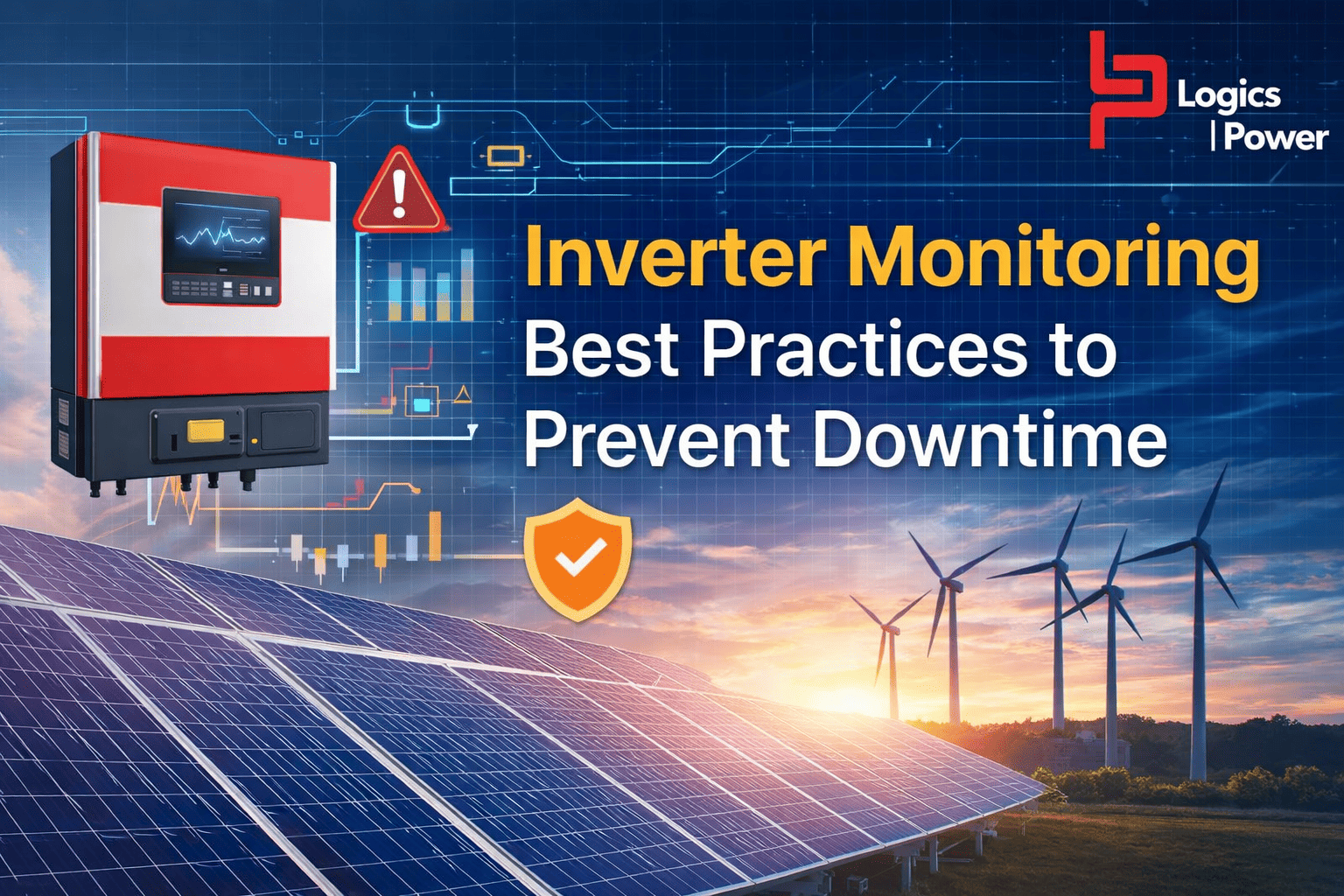
The shutdown of the power system results in heavy losses and becomes responsible for long-term downtime of the power system. This heavily impacts the industry operators as poor inverter performance reduces their optimum results. This is where Inverter Monitoring helps the industries and people using Solar Power.
In a solar power system, the inverter is at the centre of the energy conversion process. Inverter monitoring allows us to find minor issues and prevent major system failures. It also reduces power loss. Please note that efficient operation is challenging without regular monitoring. This ensures its smooth operation and better performance over the long term.
But how to prevent the downtime and produce maximum results? Here comes the Inverter Monitoring and best practices to utilise it.
An Overview of Inverter Monitoring
Inverter monitoring tracks the performance of solar inverters and solar energy systems. This process provides us with information about energy production, losses, and efficiency. In case of any problems, the system alerts the operators through automated notifications and lets the operator avoid expensive repairs. It also helps us understand energy consumption patterns, offering insights about the future energy production path.
How Does Inverter Monitoring Work?
Inverter monitoring involves tracking the inverter's status and performance to ensure optimal operation. We collect data from the inverter using sensors and software. This data includes measurements of voltage, current, temperature, frequency, and power. This data is then sent to the monitoring system in real time.
The software then processes the collected data, that stays visible on a dashboard. This allows the operators to easily understand the inverter's status. The system automatically sends alerts if the values exceed predefined limits. This helps to identify problems and prevent major system failures.
Common Causes of Inverter Downtime
We refer to the situation of frequent system malfunctions or shutdowns as inverter downtime. Here are the causes of inverter downtime:
-
Continuous operation of the inverter increases its temperature, leading to overheating. This continuous overheating causes inverter downtime.
-
Frequent fluctuations in input or output voltage is also responsible for this.
-
Faulty or loose wiring reduces the inverter's performance.
-
Dust, dirt, and moisture are responsible for inverter downtime problems.
-
Technical glitches related to the software or firmware used in the system cause Inverter Downtime.
-
Sometimes, to generate more output, we overload the inverter. This contributes to Inverter Downtime.
Key Parameters to Monitor in Inverters
Here are the key parameters to monitor in inverters-
-
Input Voltage
-
Output Voltage
-
Current Levels
-
Operating Temperature
-
Power Efficiency
-
Frequency
-
Fault and Error Codes
-
Load Conditions
-
Power Factor
-
Inverter Status and Availability
Top 10 Best Practices for Preventive Maintenance
Regular monitoring of the inverter improves its performance and extends its lifespan through proper maintenance. For any system or machine to function smoothly for a long time, it is essential to pay attention to its maintenance. Before a system failure occurs, Preventive maintenance generally provides us with information about potential problems.
Here you will know top 10 best practices for Preventive Maintenance:
-
Adopt Real-Time Inverter Monitoring:
A real-time inverter monitoring system is a system that specifically provides live information about the inverter's performance. This allows us to immediately identify any unusual behavior in the inverter. The advantage is that timely information makes it easier to take action.
-
Monitor the Temperature:
It is essential that the inverter's temperature remains normal. Overheating of the inverter can cause problems. Temperature monitoring can prevent overheating. To maintain a normal temperature, we can use proper ventilation and cooling systems.
-
Check for Voltage and Current Fluctuations:
Sometimes, there are fluctuations in the input and output voltage. This can damage the inverter. It is important to continuously check for voltage and current fluctuations. Therefore, we should ensure that inverter monitoring tools are used correctly. These tools record changes and issue immediate alerts if any abnormal situation is detected.
-
Analyze Error Logs and Fault Codes:
We often see error codes in the inverter. These indicate a problem. Therefore, their regular analysis is necessary. By regularly analyzing error logs and fault codes, we can avoid major problems in the future. 5. Perform Regular Cleaning and Inspection
-
Maintain cleaning and perform regular physical inspections:
An inverter's performance can be negatively affected by several factors, including dust, dirt, and moisture. To keep your inverter in optimal working condition, perform regular physical inspections and ensure it is cleaned regularly.
-
Keep Firmware and Software Updated:
Using the same software for extended periods can reduce the inverter's efficiency. Keeping the firmware and software updated is crucial for maintaining system security and extending its lifespan.
-
Adopt a Predictive Maintenance Strategy:
Predictive maintenance utilizes historical data to predict future problems. This process is made significantly easier with inverter monitoring. By adopting a predictive maintenance strategy, you can prevent unplanned downtime.
-
Set Up Remote Monitoring and Alerts:
Traditionally, inspecting and checking the status of a system requires being physically present on-site. However, remote monitoring allows you to check your system without being on-site. You can set up alerts to be notified of any unusual conditions.
-
Ensure Proper Load Management:
We cannot overload the inverter. This causes the inverter to fail prematurely and reduces its lifespan. To ensure the inverter operates smoothly for a long time, we must ensure proper load management. This will allow us to use the inverter efficiently.
-
Maintain Maintenance Records and Data Analysis:
Maintaining maintenance records of the system and analyzing the data obtained from them protects us from future problems. This allows us to be aware of recurring problems in advance. Analyzing the data helps us make better decisions.
Benefits of Effective Inverter Monitoring:
Here are the benefits of Effective Inverter Monitoring-
-
Reduced Downtime
-
Improved Energy Output
-
Lower Maintenance Costs
-
Extended Inverter Lifespan
-
Real-Time Fault Alerts
-
Enhanced System Safety
-
Data-Driven Decision Making
-
Remote Monitoring Capability
-
Predictive Maintenance Support
-
Improved Operational Reliability
Conclusion:
By using inverter monitoring, we can prevent downtime. Regular maintenance and the proper use of smart technology can enhance the inverter's performance. This also increases its lifespan. By implementing the right strategies now, we can enhance the performance of our system.
The real-time alert facility provides immediate notification of any system malfunctions. A key advantage is that we don't need to be physically present on-site to monitor the inverter; we can check its status remotely from anywhere. Overheating and overloading increase the risk of system damage. Inverter monitoring provides enhanced system protection and facilitates data-driven decision-making.
Follow Us
Contact Us